
The Evolution of Line Dancing: Merging Tradition with Modern Trends
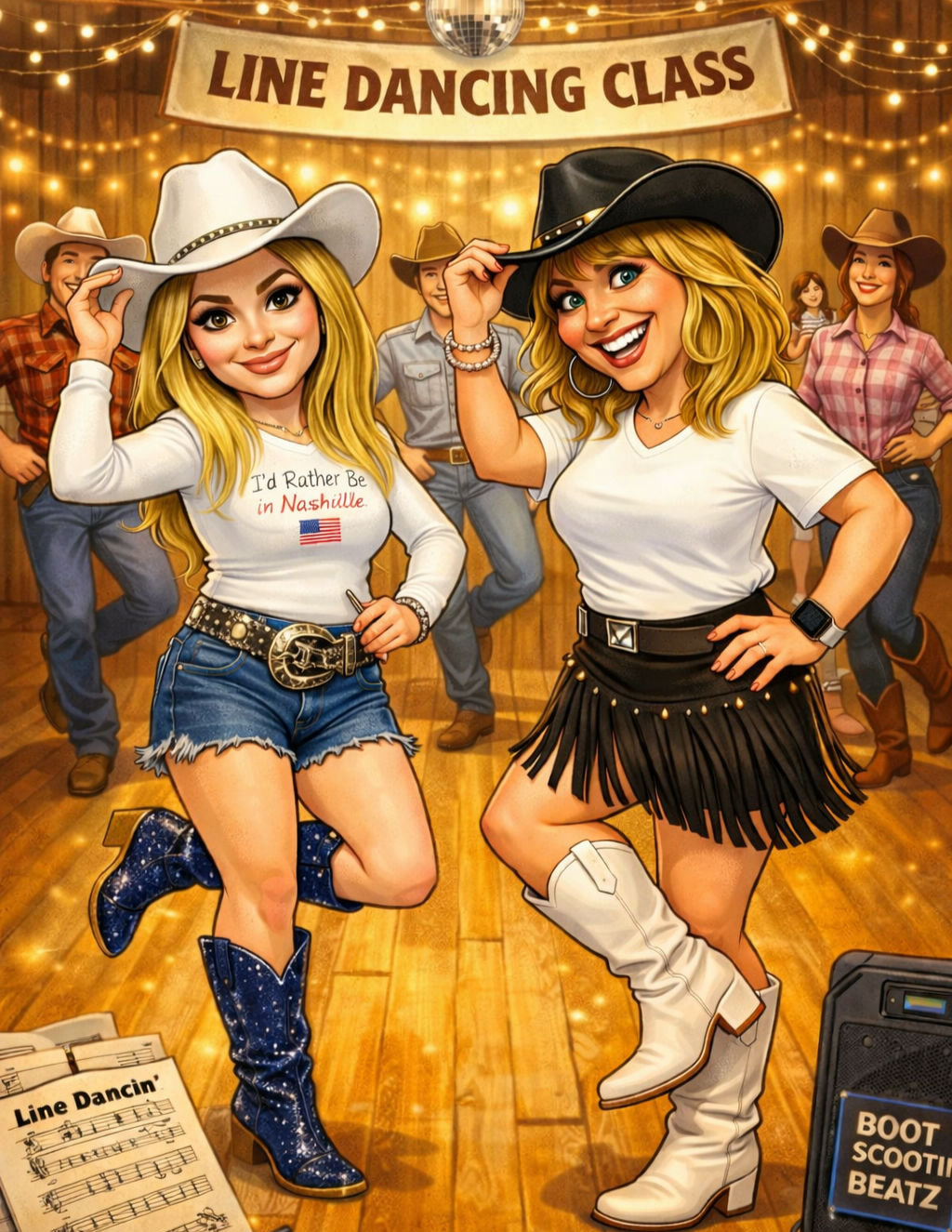
Line dancing has long been a popular social activity, known for its simple steps and group coordination. Traditionally linked to country music and western culture, line dancing has evolved significantly over recent years. Modern influences are reshaping this dance form, blending classic moves with new rhythms and styles. This transformation is making line dancing more accessible and appealing to a wider audience.
The Roots of Line Dancing
Line dancing originated as a social dance where participants perform choreographed steps in unison, arranged in lines or rows. Its roots trace back to folk dances from Europe and America, especially in the southern United States. The dance gained widespread popularity in the 1980s and 1990s, largely due to country music stars and movies that featured it prominently.
Traditional line dancing is characterised by:
Repetitive step patterns
Simple footwork suitable for all skill levels
Group synchronisation without physical contact
Strong ties to country music and western themes
These elements created a welcoming environment for dancers of all ages and backgrounds, fostering community and fun.
How Modern Influences Are Changing Line Dancing
Today, line dancing is no longer confined to country music or western settings. It has absorbed influences from various music genres and dance styles, leading to fresh interpretations and new energy. Some key modern trends include:
Incorporation of Diverse Music Styles
Modern line dancing embraces pop, hip-hop, Latin, and electronic music. This shift broadens the appeal beyond traditional country fans. For example, popular songs like “Uptown Funk” by Bruno Mars or “Despacito” by Luis Fonsi have inspired line dance routines that combine classic steps with contemporary beats.
Fusion with Other Dance Forms
Choreographers are blending line dancing with styles such as salsa, jazz, and even street dance. This fusion introduces more complex footwork, body movements, and rhythm variations. It challenges dancers to develop new skills while maintaining the group coordination that defines line dancing.
Use of Technology and Online Platforms
The rise of online tutorials, virtual classes, and dance challenges on video platforms has made line dancing more accessible worldwide. Dancers can learn new routines at their own pace and connect with communities beyond their local area. This digital presence helps keep the tradition alive while encouraging innovation.
Benefits of Modern Line Dancing
The evolution of line dancing offers several advantages for participants:
Inclusivity: The variety of music and styles attracts diverse age groups and cultural backgrounds.
Physical Fitness: The energetic routines provide cardiovascular exercise and improve coordination.
Social Connection: Whether in person or online, line dancing fosters a sense of belonging and shared enjoyment.
Creative Expression: Dancers and choreographers can experiment with new moves and music, keeping the dance form fresh.
Examples of Modern Line Dancing in Practice
Many dance schools and clubs across the world have embraced the modern approach to line dancing. For instance:
A dance studio in Austin, Texas, offers weekly classes featuring line dances set to current pop hits, attracting younger participants.
Community centers in urban areas host fusion line dance workshops combining Latin rhythms with traditional steps.
Online platforms like YouTube feature popular line dance tutorials that mix classic and modern moves, reaching thousands of viewers globally.
These examples show how line dancing continues to evolve while honoring its roots.
Keeping Tradition Alive While Embracing Change
The future of line dancing lies in balancing respect for tradition with openness to new influences. Dance instructors and enthusiasts play a crucial role in this process by:
Teaching foundational steps alongside modern variations
Encouraging creativity within the structure of line dancing
Promoting inclusive events that welcome all skill levels and backgrounds
Using technology to share knowledge and connect dancers globally
This approach ensures that line dancing remains a vibrant and evolving art form.


Comments